
Get In Touch With Us
Normal Cholesterol Levels: HDL, LDL & What Your Numbers Mean
A normal cholesterol level chart in mmol/L and mg/dL, what HDL and LDL mean, and the symptoms (or lack of them) of high cholesterol.
Cholesterol results can be confusing — one number is "good," another is "bad," and Malaysian lab reports use mmol/L while many articles online quote mg/dL. This guide explains what total cholesterol, HDL and LDL mean, what counts as a normal range, and what to do if your numbers are high.
Key takeaways
- Cholesterol itself isn’t "bad" — your body needs it. The problem is too much LDL relative to HDL.
- LDL ("bad" cholesterol) carries cholesterol into artery walls; HDL ("good" cholesterol) helps remove it.
- Malaysian labs typically report in mmol/L ; many international sources use mg/dL — the guide below gives both.
- High cholesterol usually has no symptoms — a blood test (lipid profile) is the only way to know your numbers.
What is cholesterol, and why does it matter?
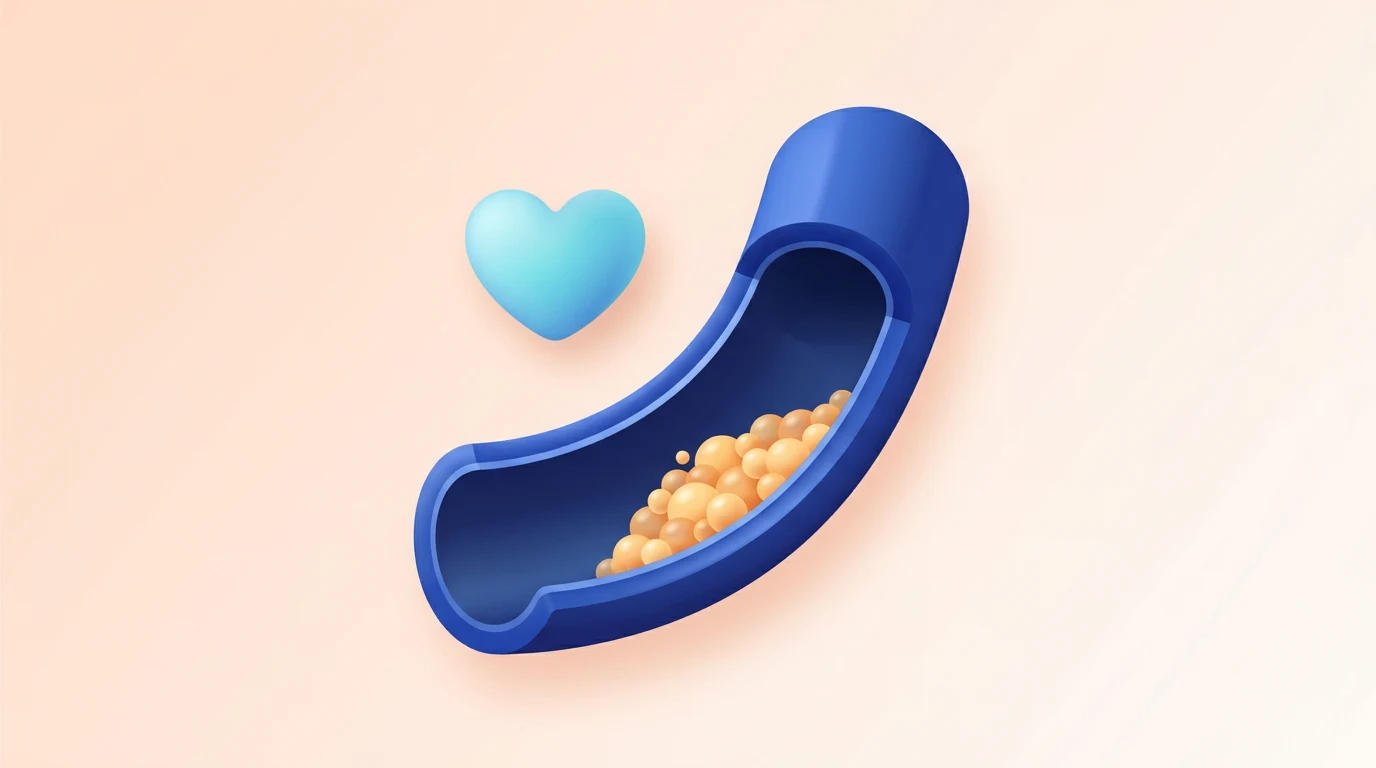
Cholesterol is a type of fat (lipid) that your body needs to build cells and produce hormones. Your liver makes most of it; the rest comes from food. The issue is not cholesterol itself, but the type and amount circulating in your blood — too much low-density lipoprotein (LDL) can build up as plaque inside your artery walls, narrowing them over time and raising your risk of heart disease and stroke.
HDL vs LDL: what do they mean?
- LDL (low-density lipoprotein) — often called "bad" cholesterol. It carries cholesterol to your tissues and arteries; high levels raise cardiovascular risk.
- HDL (high-density lipoprotein) — often called "good" cholesterol. It carries excess cholesterol back to the liver for removal; higher levels are generally protective.
- Triglycerides — a separate type of fat in your blood, usually measured alongside cholesterol. High triglycerides combined with high LDL further raise cardiovascular risk.
- Total cholesterol — the sum of LDL, HDL and a portion of your triglycerides.
Normal cholesterol level chart (mmol/L and mg/dL)
These are general adult reference ranges. Your individual target may be lower if you already have heart disease, diabetes or other risk factors — your doctor sets a personal target based on your overall risk, not just this chart.
| Measure | Desirable | Borderline | High |
|---|---|---|---|
| Total cholesterol | <5.2 mmol/L (<200 mg/dL) | 5.2–6.2 mmol/L (200–239) | >6.2 mmol/L (>239) |
| LDL ("bad") | <2.6 mmol/L (<100 mg/dL) | 2.6–4.1 mmol/L (100–159) | >4.1 mmol/L (>159) |
| HDL ("good") | >1.55 mmol/L (>60 mg/dL) — higher is better | 1.0–1.55 mmol/L (40–60) | <1.0 mmol/L (<40) — too low |
| Triglycerides | <1.7 mmol/L (<150 mg/dL) | 1.7–2.2 mmol/L (150–199) | >2.2 mmol/L (>199) |
Note on HDL: unlike the other rows, a higher HDL number is better — it is the one cholesterol value you generally want to see high, not low.
Symptoms of high cholesterol
High cholesterol is often called a "silent" risk factor because it typically causes no noticeable symptoms — most people only find out through a blood test. In rare cases of very high, often inherited cholesterol, visible signs can include yellowish deposits around the eyes or in tendons. For the vast majority of people, a lipid profile blood test is the only reliable way to know your numbers.
What raises your risk of high cholesterol?
- Diet high in saturated and trans fats.
- Family history of high cholesterol or early heart disease.
- Being overweight or inactive.
- Age — cholesterol levels tend to rise naturally as you get older.
- Other conditions — such as diabetes or an underactive thyroid.
How is cholesterol tested?
Cholesterol is measured with a lipid profile blood test, which reports your total cholesterol, LDL, HDL and triglycerides together. You will usually be asked to fast for 8–12 hours beforehand (plain water is fine), since eating can temporarily raise triglyceride levels and affect the accuracy of your result.
Numbers alone don’t change your risk — action does
A cholesterol result printed on a page tells you where you stand, but not what to do about it. At HDC Medical, your lipid profile is reviewed one-to-one by a dietitian as part of our heart health screening , so a borderline LDL becomes a specific, practical plan — not just a number to worry about.

Reviewed by Jaceme Chuah
Registered Dietitian (MDA) · IDF Diabetes Educator · HRD Corp Accredited Trainer
Jaceme leads HDC Medical’s one-to-one blood report reviews, with 8+ years of clinical nutrition experience and 2,000+ consultations. View her full profile →
This article is for general education and does not replace personalised medical advice. Reference ranges vary between laboratories — always interpret your results with a qualified professional. Blood screening is a monitoring and early-flag tool, not a diagnosis. HDC Medical is a dietitian-led health screening centre in Mutiara Damansara, Petaling Jaya.
Frequently asked questions
What’s a normal cholesterol level?
Generally, total cholesterol under 5.2 mmol/L (200 mg/dL) is considered desirable, with LDL under 2.6 mmol/L (100 mg/dL) and HDL above 1.55 mmol/L (60 mg/dL). Your personal target may differ based on your overall cardiovascular risk.
What do LDL and HDL mean?
LDL is often called ‘bad’ cholesterol because it can build up in artery walls. HDL is ‘good’ cholesterol because it helps remove excess cholesterol from your bloodstream.
What are the symptoms of high cholesterol?
High cholesterol usually causes no symptoms at all — it’s typically found through a blood test called a lipid profile, not through how you feel.
How can I lower high cholesterol?
Common first steps include reducing saturated and trans fats, increasing fibre and physical activity, and maintaining a healthy weight. Depending on your risk level, your doctor may also discuss medication — a dietitian review helps translate this into a specific eating plan.
Do I need to fast before a cholesterol test?
Yes, typically 8–12 hours, since eating can temporarily raise triglyceride levels and affect your result.
Know your cholesterol numbers — with a plan to act on them.
A lipid profile is part of HDC Medical’s heart health screening, reviewed one-to-one by a dietitian in Petaling Jaya.