
Fasting Blood Sugar Test: Normal Range & How to Prepare
How a fasting blood sugar test works, the normal range in mmol/L and mg/dL, how it differs from HbA1c, and what a high result means.
A fasting blood sugar test is one of the simplest, most common ways to screen for diabetes and prediabetes — and one of the easiest to get wrong if you don’t fast correctly. This guide covers how the test works, what your normal range should be, and what a high result means.
Part of our blood test results guide: what each marker means and when it is worth testing.
Key takeaways
- A fasting blood sugar (glucose) test measures your blood sugar after 8–12 hours without food.
- Normal is below 5.6 mmol/L (100 mg/dL); 5.6–6.9 mmol/L (100–125 mg/dL) is prediabetes; 7.0 mmol/L (126 mg/dL) or above suggests diabetes.
- A single high reading is usually confirmed with a repeat test or an HbA1c before a diagnosis is made.
- Only water is allowed during the fasting window — coffee, juice and food can all affect your result.
What is a fasting blood sugar test?
A fasting blood sugar test — also called a fasting blood glucose test — measures the amount of glucose (sugar) in your blood after you have not eaten or drunk anything except water for at least 8 hours , usually overnight. It is one of the primary tests used to screen for and monitor prediabetes and diabetes, because fasting removes the temporary sugar spike from your last meal.
How to prepare for a fasting blood sugar test
- Fast for 8–12 hours before your appointment. Most people book a morning appointment and fast overnight.
- Water only — no food, coffee, tea, juice or sugary drinks during the fasting window.
- Avoid intense exercise and smoking right before the test, as both can temporarily affect your blood sugar.
- Tell your doctor about your medications — some, including steroids, can alter your result.
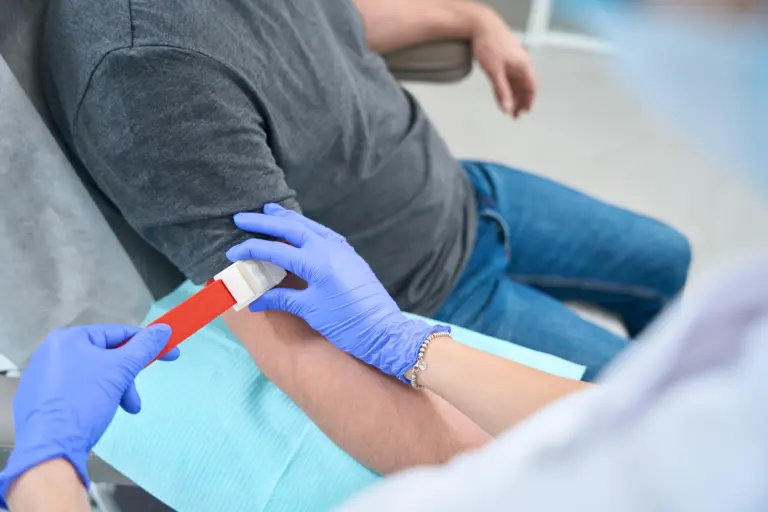
A small blood sample is then taken from a vein in your arm and sent to the lab, or checked with a glucometer for a quicker reading.
Normal fasting blood sugar range
Malaysian labs may report in mmol/L or mg/dL — here is both:
| Category | mmol/L | mg/dL |
|---|---|---|
| Normal | Below 5.6 | Below 100 |
| Prediabetes | 5.6–6.9 | 100–125 |
| Diabetes | 7.0 or above | 126 or above |
One test isn’t a diagnosis. A diabetes diagnosis is typically confirmed with a repeat fasting test on a different day, or alongside an HbA1c result, rather than from a single reading.
Fasting blood sugar vs. HbA1c: what’s the difference?
- Fasting blood sugar — a snapshot of your glucose level at one point in time, after fasting.
- HbA1c — reflects your average blood sugar over the past 2–3 months, and does not require fasting.
Doctors often use both together: fasting glucose for a same-day picture, and HbA1c to see the bigger trend. Both are included in HDC Medical’s comprehensive screening packages.
What can affect your result?
- Not fasting long enough , or fasting too long, both of which can skew results.
- Stress, illness or lack of sleep the night before.
- Certain medications , including some steroids.
- Intense exercise immediately before the test.
What happens if your result is high?
A single elevated fasting glucose result is not an automatic diagnosis — your doctor will typically repeat the test or check your HbA1c to confirm the pattern before making a diagnosis. If prediabetes or diabetes is confirmed, the next step is usually a combination of dietary changes, physical activity and, where needed, medication — managed with regular monitoring.
Numbers plus a plan, not numbers alone
A fasting glucose result on its own tells you a number; it doesn’t tell you what to eat differently tomorrow. Fasting glucose and HbA1c are part of HDC Medical’s full body health screening packages, reviewed one-to-one by a dietitian so a borderline result becomes a specific, practical plan.

Reviewed by Jaceme Chuah
Registered Dietitian (MDA) · IDF Diabetes Educator · HRD Corp Accredited Trainer
Jaceme leads HDC Medical’s one-to-one blood report reviews, with 8+ years of clinical nutrition experience and 2,000+ consultations. View her full profile →
This article is for general education and does not replace personalised medical advice. Reference ranges vary between laboratories — always interpret your results with a qualified professional. Blood screening is a monitoring and early-flag tool, not a diagnosis. HDC Medical is a dietitian-led health screening centre in Oval Damansara, Kuala Lumpur.
Frequently asked questions
What is a normal fasting blood sugar level?
Below 5.6 mmol/L (100 mg/dL) is generally considered normal. 5.6–6.9 mmol/L (100–125 mg/dL) indicates prediabetes, and 7.0 mmol/L (126 mg/dL) or above suggests diabetes, usually confirmed with a repeat test.
How many hours should I fast before a blood sugar test?
Typically 8–12 hours, with only water allowed. Most people fast overnight and book a morning appointment.
What are the rules for a fasting blood sugar test?
No food, coffee, tea, juice or sugary drinks during the fasting window — water is fine. Avoid intense exercise and smoking beforehand, and tell your doctor about any medications.
What’s the difference between fasting blood sugar and HbA1c?
Fasting blood sugar is a snapshot at one point in time and requires fasting. HbA1c reflects your average blood sugar over 2–3 months and does not require fasting. Doctors often check both.
What happens if my fasting blood sugar is high?
A single high result is usually followed by a repeat test or an HbA1c check before a diagnosis is made. If confirmed, management typically starts with diet, activity and monitoring.
Check your blood sugar with a plan you can follow.
Fasting glucose and HbA1c are included in HDC Medical’s full body health screening, reviewed one-to-one by a dietitian.