Get In Touch With Us


PCOS, Fibroids or Endometriosis? How to Tell Them Apart
PCOS, fibroids and endometriosis cause similar symptoms but are different conditions. Compare the signs, see which tests tell them apart, and know when to get checked.
Heavy periods, pelvic pain, stubborn bloating, trouble conceiving — three different conditions can produce almost the same list of complaints. PCOS, uterine fibroids and endometriosis are all common in Malaysia, they can occur together, and symptoms alone rarely tell them apart. This guide sets out what actually separates the three, and which tests give you a real answer.
Key takeaways
- PCOS is a hormonal and metabolic condition. Fibroids and endometriosis are structural — physical growths, or tissue in the wrong place.
- All three can cause irregular periods, pelvic discomfort and difficulty conceiving, which is why they are so often confused.
- Blood tests are most useful for PCOS. Fibroids and endometriosis are usually found on imaging, not in blood.
- No single test diagnoses any of the three — each needs symptoms, examination and results read together.
Why these three get confused
They share a symptom list, but the underlying problem is different in each case. PCOS begins with hormones and metabolism. Fibroids are benign muscle growths in the wall of the womb. Endometriosis is tissue similar to the uterine lining growing outside the uterus. Same complaints, three different mechanisms — and three different routes to an answer.
It is also entirely possible to have more than one at the same time, which is part of why self-diagnosis from a symptom checklist so often goes wrong.
PCOS: a hormonal and metabolic condition
Polycystic ovary syndrome affects roughly one in ten women of reproductive age. Despite the name, it is not really a disease of cysts — what an ultrasound picks up are many small, immature follicles, not cysts in the usual sense. Common features include:
- Irregular or absent periods — cycles longer than 35 days, or fewer than eight periods a year.
- Signs of raised androgens — persistent acne, excess hair growth on the face or body, or thinning hair at the scalp.
- Many small follicles on ultrasound — the appearance that gave the condition its name.
- Weight gain that is hard to shift — often with insulin resistance underneath it.
Diagnosis usually follows the Rotterdam criteria: two of those three core features, with other causes excluded first. That exclusion step matters more than most people realise — thyroid disorders and raised prolactin can mimic PCOS closely, and treating the wrong thing wastes months.
Uterine fibroids: growths in the muscle of the womb
Fibroids, or leiomyomas, are non-cancerous growths of muscle and fibrous tissue in the uterine wall. They are very common, and many women have them without ever knowing. When they do cause symptoms, the usual pattern is:
- Heavy or prolonged bleeding — sometimes heavy enough to cause iron-deficiency anaemia.
- Pelvic pressure or fullness — a sense of heaviness rather than sharp pain.
- Frequent urination — when a fibroid presses on the bladder.
- A firm or bloated lower abdomen — which is often mistaken for weight gain.
Where a fibroid sits matters more than how many there are. A small fibroid pressing into the uterine cavity can cause far more trouble than a larger one sitting on the outer wall.
Endometriosis: tissue growing where it should not
In endometriosis, tissue similar to the lining of the womb grows outside it — on the ovaries, the fallopian tubes or the pelvic lining. That tissue still responds to your monthly hormonal cycle, so it thickens and bleeds with nowhere to drain, causing inflammation, pain and over time scarring.
- Period pain that disrupts daily life — not ordinary cramping, but pain that stops you working or sleeping.
- Pain during or after sex — often felt deep rather than at the entrance.
- Pain opening the bowels or passing urine — typically worse around your period.
- Difficulty conceiving — sometimes the first sign anything is wrong.
Endometriosis is frequently diagnosed late. Delays of several years are common, in large part because severe period pain gets normalised — by patients and sometimes by clinicians. Pain that regularly stops you functioning is not something to push through quietly.
Side by side: how they differ
| Feature | PCOS | Fibroids | Endometriosis |
|---|---|---|---|
| Nature of condition | Hormonal and metabolic | Benign muscle growths | Endometrial-like tissue outside the uterus |
| Typical period pattern | Irregular, infrequent or absent | Heavy and prolonged | Often regular, but severely painful |
| Pelvic pain | Not usually a main feature | Pressure or heaviness | Prominent, often severe |
| Other common signs | Acne, excess hair, weight gain | Bloating, urinary frequency | Pain with sex or bowel movements |
| Main diagnostic route | Blood tests plus ultrasound | Pelvic ultrasound | Imaging; sometimes laparoscopy |
| Can blood tests alone confirm it? | No — but they are central | No | No |
Which tests actually help
This is where the three diverge most, and where a lot of money gets spent on the wrong panel.
For PCOS
Blood work carries real weight here, in two groups. Hormonal markers help build the picture and exclude look-alikes:
- Total and free testosterone, with SHBG — to assess androgen levels properly rather than in isolation.
- LH and FSH — the ratio can be suggestive, though it is not diagnostic on its own.
- TSH and prolactin — to rule out thyroid disease and hyperprolactinaemia, which mimic PCOS.
- AMH — often raised in PCOS, but supportive context rather than proof.
The metabolic side is just as important, and is the part most often skipped:
- Fasting glucose and HbA1c — PCOS carries a meaningfully higher long-term risk of type 2 diabetes.
- Fasting insulin — insulin resistance frequently sits underneath the hormonal picture.
- Lipid profile — cardiovascular risk tends to run higher in PCOS.
For fibroids
No blood test identifies a fibroid. A pelvic ultrasound is the usual first step. A full blood count is often run alongside it, because heavy bleeding is a common cause of iron-deficiency anaemia — and correcting that changes how you feel long before anything is done about the fibroid itself.
For endometriosis
There is no blood test that diagnoses endometriosis. CA-125 is sometimes raised, but it also rises in other conditions and reads normal in many women who do have endometriosis. It is not a screening test, and a normal result should never be taken as reassurance.
A note on timing. Several reproductive hormones shift across your cycle, so when the sample is taken changes what the number means. FSH and LH are usually measured early in the cycle, around days two to five. AMH is stable and can be taken at any point. If you are told a hormone result is "normal" without any reference to cycle day, it is worth asking.
When to get checked
Book an appointment if any of the following apply:
- Your periods have stopped, or have been irregular for three months or more.
- Bleeding is heavy enough to soak through protection hourly, or lasts beyond seven days.
- Period pain regularly stops you working, studying or sleeping.
- You have been trying to conceive for twelve months — or six months if you are over 35.
- You have pain during sex, or when opening your bowels around your period.
Why the results are worth reading properly
A hormone panel handed back as a page of numbers is not much use on its own. Half the values only mean something in the context of your cycle day, your weight history, your family history and what you actually came in worried about. A testosterone reading at the top of the normal range means one thing in a woman with regular cycles and quite another alongside eighteen months of irregular periods and new acne.
At HDC Medical, every screening is dietitian-led — your results are explained one-to-one, in plain language, with a plan attached. That matters particularly in PCOS, where the metabolic side responds well to structured nutrition and where a hormone test is only the starting point.
If you are looking at a broader picture rather than one condition, our full body health screening covers hormonal, metabolic, kidney and liver markers in a single visit.
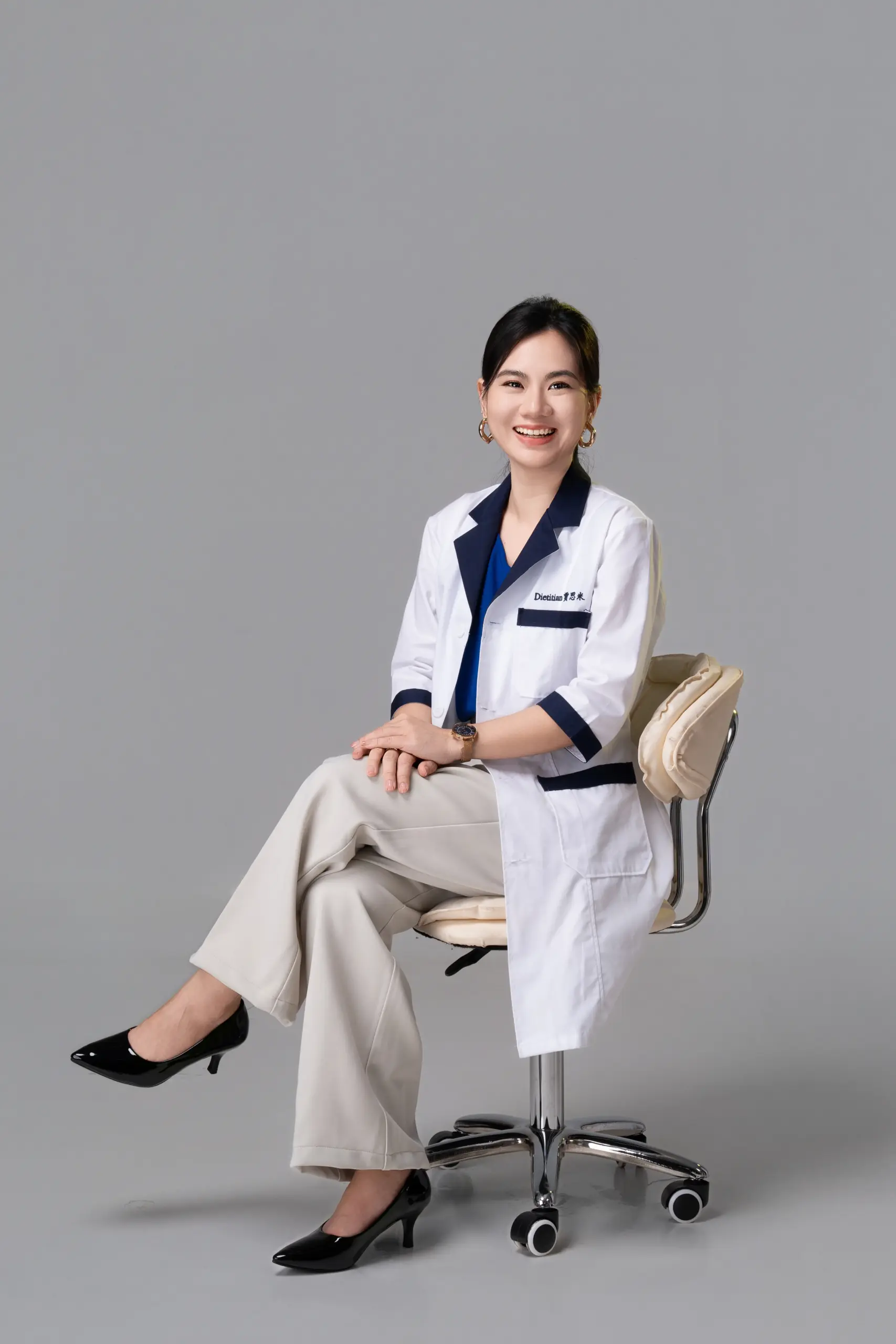
Reviewed by Jaceme Chuah
Registered Dietitian (MDA) · IDF Diabetes Educator · HRD Corp Accredited Trainer
Jaceme leads HDC Medical's one-to-one report reviews, with 8+ years of clinical nutrition experience and 2,000+ consultations. View the full profile →
This article is for general education and does not replace personalised medical advice. Reference ranges vary between laboratories — always interpret your results with a qualified professional. Blood screening is a monitoring and early-flag tool, not a diagnosis. HDC Medical is a dietitian-led health screening centre in Oval Damansara, Kuala Lumpur.
Frequently asked questions
Can you have PCOS and endometriosis at the same time?
Yes. They are separate conditions with different mechanisms, and having one does not protect you from the other. Because both can affect fertility and both cause menstrual symptoms, one is sometimes diagnosed while the other is missed.
Does a blood test diagnose PCOS?
Not on its own. Blood tests are central to the assessment — they show androgen levels and help exclude thyroid and prolactin problems — but a diagnosis needs your symptoms and usually an ultrasound alongside them.
Do fibroids show up in a blood test?
No. Fibroids are found on pelvic ultrasound. A blood test may still be useful to check whether heavy bleeding has left you anaemic.
Is PCOS the same as having ovarian cysts?
No, and the name is misleading. What shows on ultrasound in PCOS is a large number of small immature follicles, which is different from a true ovarian cyst. Many women have an ovarian cyst at some point without having PCOS.
Is CA-125 a test for endometriosis?
No. CA-125 can be raised in endometriosis, but it also rises in other conditions and is often normal in women who do have it. It is not reliable enough to confirm or rule out the condition.
Get your hormone results reviewed one-to-one.
Book a dietitian-led screening at HDC Medical in Kuala Lumpur — your hormonal and metabolic results explained in plain language, with a plan to follow.
WhatsApp Us — Book a Screening
or browse our
health screening packages